How Aging Commercial Structures Manage Roofing Degradation
A good number of the business buildings located along the Glenville Corridor aren't exactly new. You can spot them easily. Think of the boxy retail centers, the metal-sided agricultural buildings, and the older warehouses scattered through the Deer Creek Valley that have weathered the Iowa landscape for generations. As a commercial roofing contractor near Glenville Minnesota, we see firsthand how much more abuse they take than contemporary construction.
Here's the typical damage pattern we encounter on older commercial roofs in the Corridor:
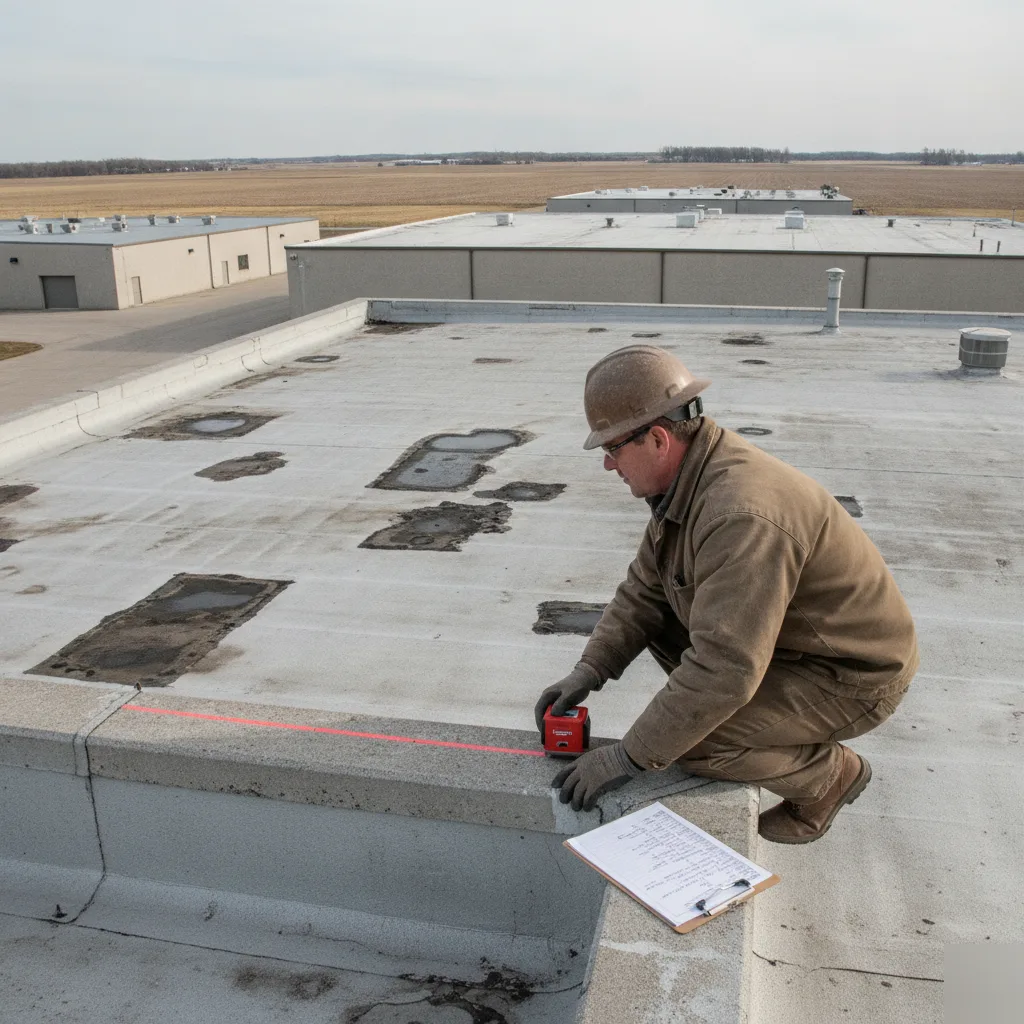
- Bare spots of ponding water on flat roofs once the initial grading slope has collapsed due to long-term settlement
- Membrane edges and seams that have begun to peel apart following repeated freeze and thaw conditions in the Deer Creek region
- Flashing issues surrounding vintage HVAC systems replaced a number of times in the past
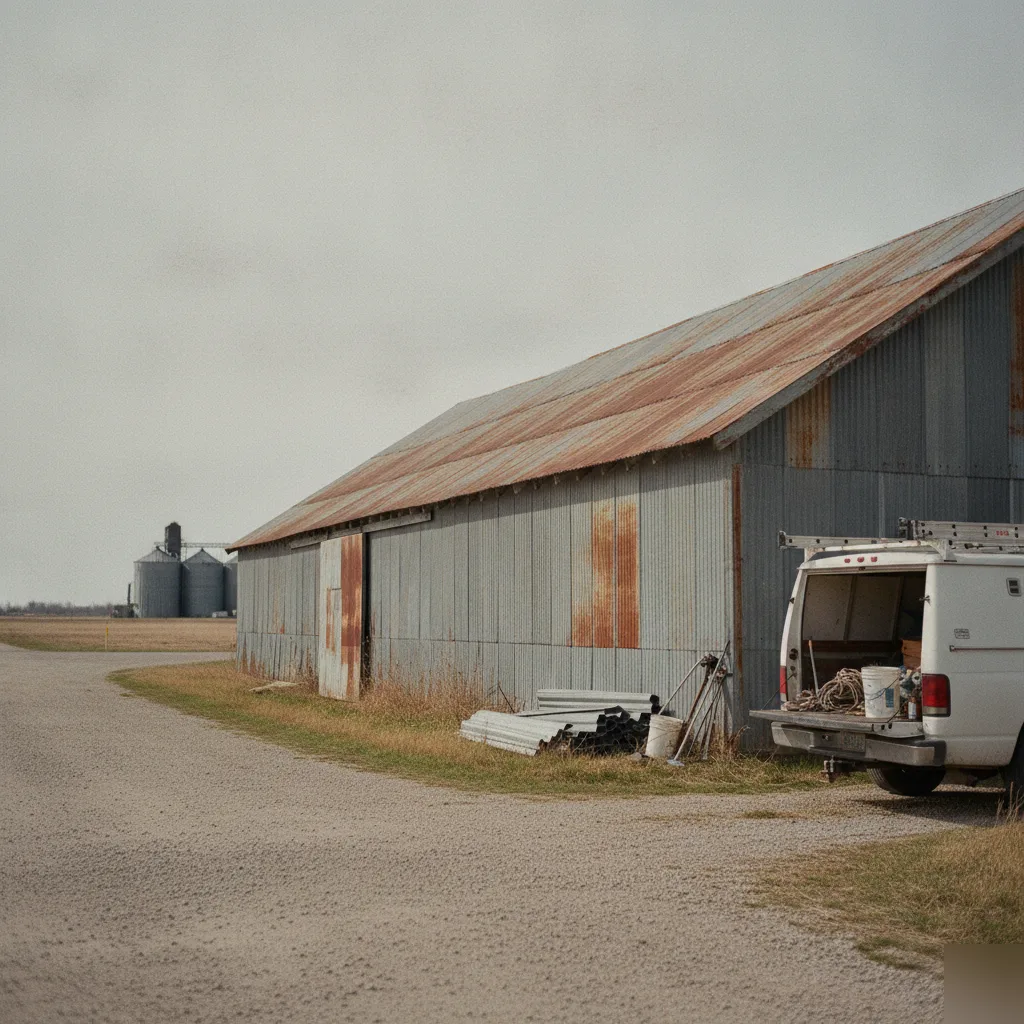
- Rust on the metal roof panels of agricultural-style structures constantly exposed to moisture rising from the valley floor
Something : just because a commercial structure has an aged roof doesn't mean it's time to do an expensive replacement. In fact, applying a coating could add a decade more to the roof life and a focused flat roof repair might resolve leaks in the ponding zones without having to replace the roof.
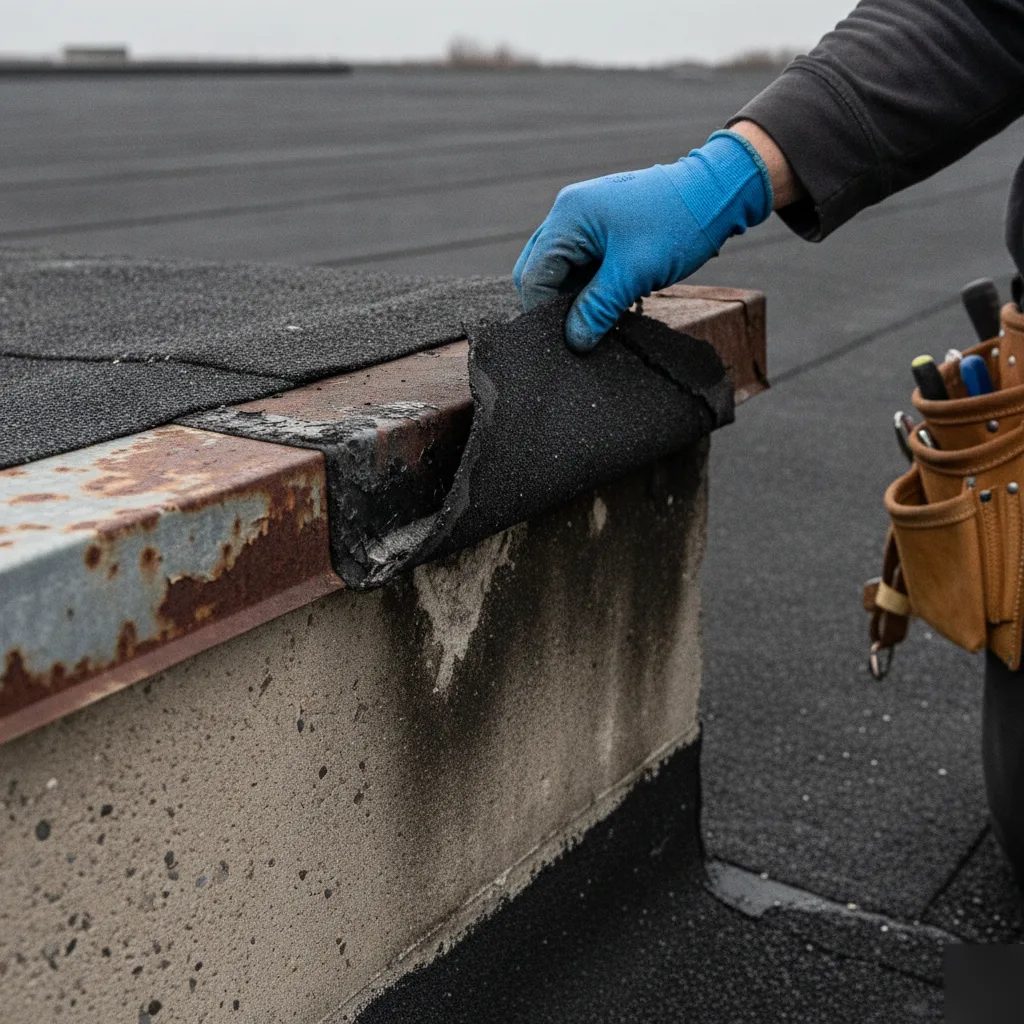
David and the crew have worked on countless roofs through the corridor where the owner thought the end had come. We get on top of the roof, peel back a corner of the membrane, and peer below. Half the time, the roof deck itself is still good. It's just a patch job or a bad seam. A roof replacement is in order only in the other half of these cases where the owner put off necessary maintenance for too long. Water stays on a flat commercial roof in the Glenville Corridor long enough for one winter to penetrate the roof membrane. By spring it reaches the insulation. Then the deck boards begin to rot. At this point it's no longer about just the roof; it's about the entire building. Regional guidance on preventing roof ice dams explains why this freeze-thaw penetration happens so consistently across the upper Midwest.
The Deer Creek Valley area has an additional factor that adds to the issues for commercial buildings there. The bottom of the valley is low and damp. Fog sits heavier over the commercial properties at ground level for longer periods than over the higher ground that is much closer to town. Commercial buildings in the Corridor need to deal with increased condensation and moisture issues than just one mile north of them. A choice like TPO roofing installation and EPDM roofing installation should reflect that.
Older businesses also often have the roofline altered and patched through time. We've seen numerous commercial buildings in the vicinity of Glenville that have had an extension here or added a patch from the previous owner there. Many buildings are covered by three different types of roofing material with the old and new not interacting with each other through the transitions. Those are where leaks often develop.
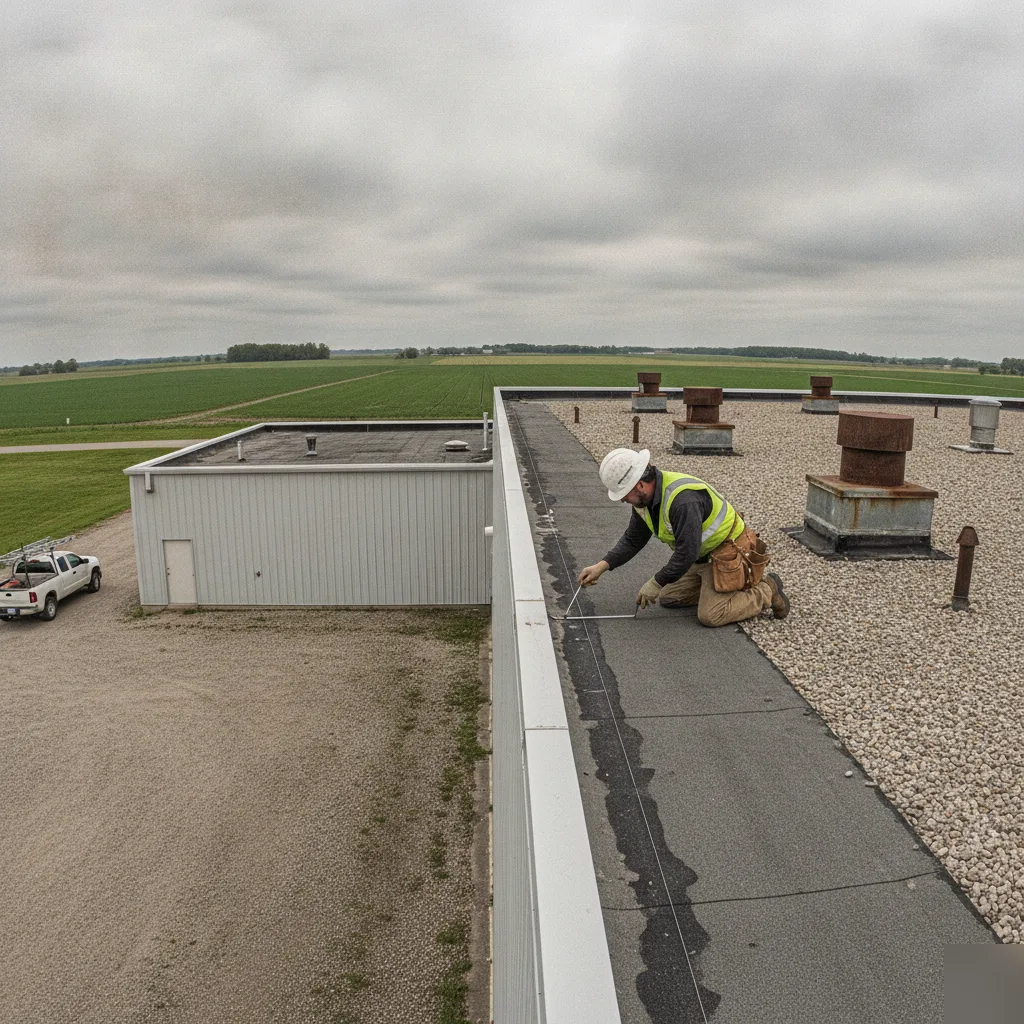
An inspection will let you know the actual state of the roof. A1 Roofing Services doesn't make any assumptions. We'll walk the entire surface and check each area that penetrates the roof and then report on what is failing and what is not. Then you can determine the option for the building and the wallet.
Older roofs at businesses aren't the end of the world. They just need people who have experienced enough of them to know the difference between a problem and a project.
Directions from Glenville Corridor Area to A1 Roofing Services
Most people in the Deer Creek Valley area are surprised by how short a drive it is.
We are located at 608 12th St NE in Mason City and you are going in a straight shot north from Glenville Corridor along US-65. That's it. Here are the simple directions:
- Head north out of Glenville on US-65. You'll pass the Deer Creek bridge and the open farmland in between the two towns.
- Stay on US-65 as it becomes South Federal Avenue into Mason City. You'll pass the Southbridge Mall area on your left.
- Continue north through town. You need to turn right onto 12th Street NE.
- Our office is located on the east side of 12th St NE.
That's it. The drive is only 20 minutes in average conditions, and there is very little traffic between Glenville and Mason City unlike what you would encounter traveling to Rochester or Des Moines.
BUT. You might not even need to come out here to see us.
We work on commercial roofing contractor projects in the Glenville Corridor on a regular basis, so David and the team are probably going to be in your neighborhood anyway, and we carry the tools and supplies we need on the trucks. If you have a commercial flat roof leak somewhere on the main through-way that cuts through Glenville, or you have a metal roof issue on one of the ag buildings out around Deer Creek, we just come to you. That's how we work.
This valley area is low, and it is where water likes to go. We have rolled TPO membranes on top of a commercial building south of the creek that looked great from the ground, but there was standing water underneath from months of rain. A flat roof built in a low valley location has to deal with much more water stress than the same roof installed on higher ground in Mason City, and that is a consideration you need to know before making the decision that your roof is fine. This is an important factor about the grade of land.
Also, if you do wish to stop by our office we would be happy to have a sit down meeting with you and walk you through everything that is happening with your roof system. Feel free to bring along pictures if you have them. We will provide you with a free roof inspection appointment that very day, and some of our property owners from the Glenville Corridor come out into Mason City, run an errand, and meet us over coffee before doing a roofing discussion because they were already in town.
We have been on roofs all throughout Freeborn and Cerro Gordo Counties. These buildings along the Glenville Corridor have specific traits that we see. Older commercial buildings with original flat roof systems that have been patched at least six different times, and old metal sided ag buildings that have moved around after years of seasonal freeze-thaw cycles. These are the types of conditions we have discovered before stepping up to a ladder to inspect.
So, whether you want to come down and see us in Deer Creek Valley, or you want to drive up and visit us at 608 12th St NE in Mason City, the communication is simple. US-65 connects us both. There are no confusing back roads, or difficult turns needed. All you need is a few minutes through some of the flattest and most open land in southern Minnesota and northern Iowa.
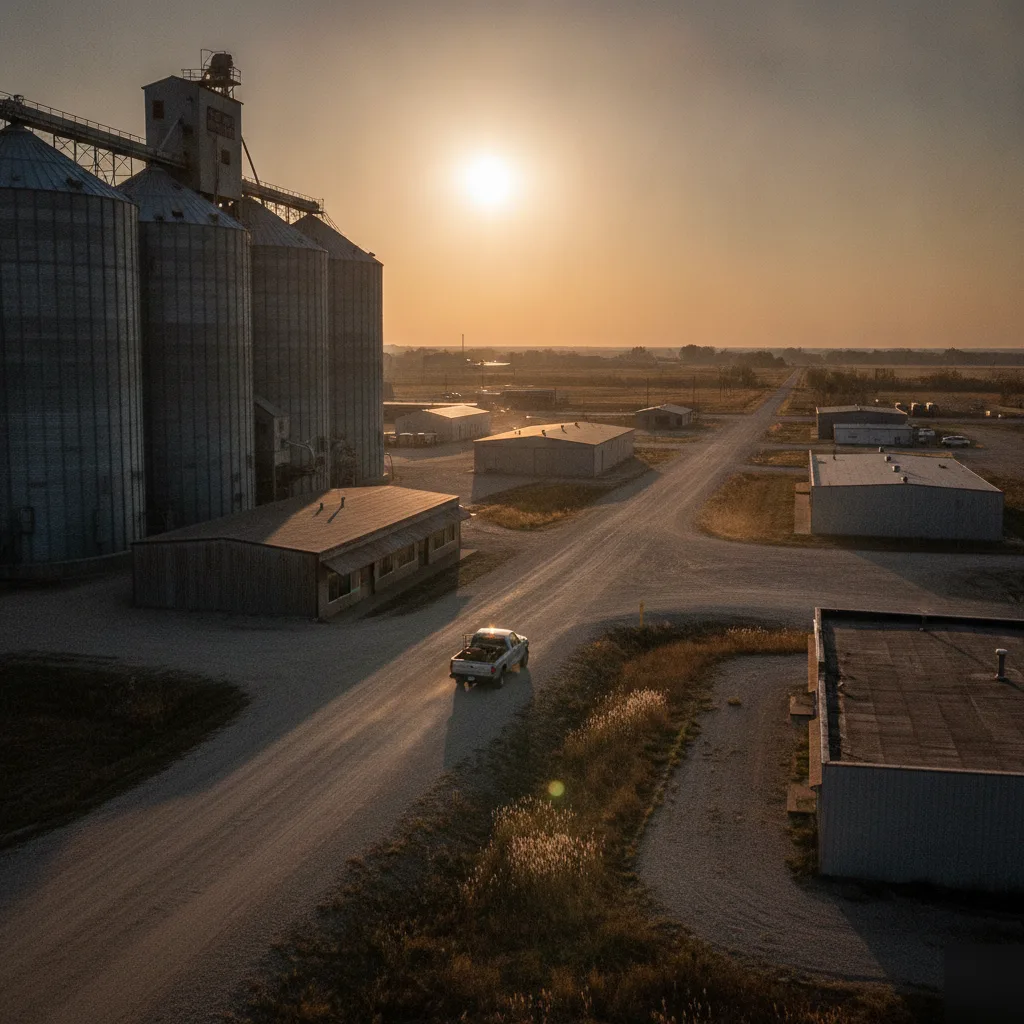
What Makes the Glenville Corridor Unique for Commercial Roofs
Deer Creek Valley is low. That is the first thing you see as you drive through the Glenville Corridor south of Mason City. The land slopes down to the creek bottom, and of course water follows the gravity. These commercial buildings in the stretch get into drainage issues that other properties in the city never deal with.
We've been on flat roofs here in the area after spring thaw storms resulted in overnight little ponds. Ponded water is the invisible, silent killer of commercial roofing membranes. You add hundreds of pounds of load to your roof deck from half an inch of ponded water, and few building owners understand this. In the Glenville Corridor, it's not hypothetical; it happens every year.
The variety of building types found on that street is a history of the area. Some examples are:
- Older buildings used for farm supplies with the original metal panels that have rusted at the seams
- Commercial buildings along or near Glenville that have flat roofs from the 1980s that consist of modified bitumen
- Pole-style storage structures where the roof has to also function in support of the wall
- Buildings recently completed with metal siding that still ended up with a poor pitch and a flat portion where tree debris from along Deer Creek ends up collecting
The failure mechanisms are different for each of the building types mentioned above.
The farm supply buildings lose their fasteners first. You have wind that's funneled through the Deer Creek Valley Corridor that pounds those older, exposed-fastener, metal-panel roofs during every single winter. We pull fasteners from purlins here that backed out of their purlins over just two winters of thermally moving roofs. Standing seam metal roofs can tolerate this movement, while exposed fastener roofs simply can't.
Commercial shops along the Glenville Corridor main roads have flat roofs that are the ones that keep our roofs repaired and replaced here. We have found that many had single-ply membranes installed on roofs with very little fall in the roof deck. And remember, there's also humidity in the creek valley which degrades TPO and EPDM membranes through ultraviolet exposure. We've seen what happens when that's ignored. The membrane gets brittle; the seams open up; and when the owner spots a ceiling stain inside their building, the insulation is wet, and rot may be in the deck.
But what really distinguishes the area of the Glenville Corridor from the rest of Mason City, is soil movement in this floodplain of Deer Creek. The ground is moving beneath those buildings each season; just not a lot of movement. But that small movement transfers through to the structure; and when that happens, that shows up in the cracked flashing and edge metal being pulled away from the roof. A commercial roofing company that isn't aware of the soil movement of this Deer Creek flood plain will replace the flashing and leave it at that. Six months later, you're calling us.
David has worked enough of these roofs around the Glenville Corridor to know what it does to buildings. The tree canopy along that creek has a habit of dropping leaves and seeds onto each and every flat-roofed building within a quarter mile of that creek. That debris holds moisture against the roof coating; that causes it to erode. Roof inspections count for much more there than anywhere else where we do business. One year with that debris, and you can lose years of that membrane's life.
Wind exposure is also a huge factor. The area south of town has very little to break the wind before it hits your building. We see many calls in that area for commercial roof repairs after almost every single strong southwestern storm passes by.